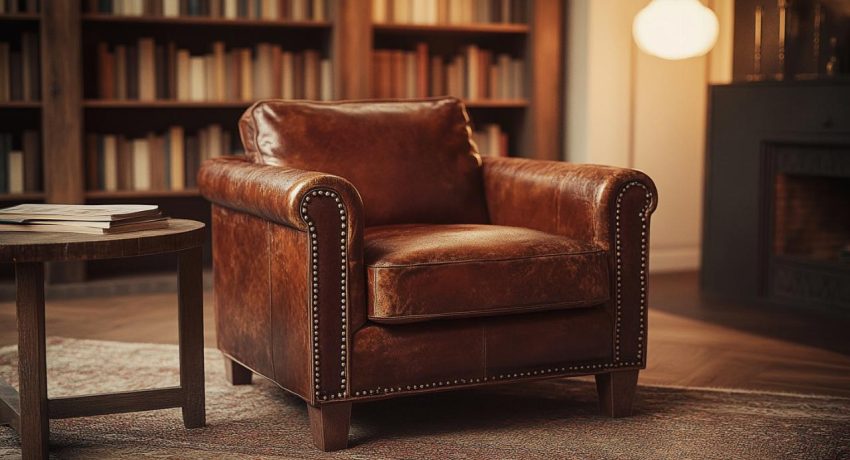

There's something undeniably captivating about a classic leather club chair nestled in the corner of a sitting room. It's the kind of piece that immediately draws the eye, promising comfort and a touch of sophistication that modern furniture often struggles to replicate. These chairs don't just fill a space; they transform it, introducing a layer of history and warmth that makes a house feel like a home. Whether you're curling up with a novel or enjoying a quiet moment with a cup of tea, a well-chosen leather club chair offers both style and substance in equal measure.
The Timeless Appeal of Leather Club Chairs in Modern Homes
Incorporating vintage elements into contemporary interiors has become something of an art form, and few pieces achieve this balance as effortlessly as a leather club chair. Originally known in France as the fauteuil confortable, these chairs were fixtures in gentlemen's clubs, designed for leisurely afternoons and convivial conversation. Their enduring popularity speaks to a design that transcends fleeting trends, offering instead a sense of permanence and quality that resonates with today's homeowners. The robust construction and generous proportions make them practical choices for everyday use, whilst their aesthetic appeal ensures they remain statement pieces that anchor a room's decor.
Why leather club chairs bring old-school class to contemporary interiors
The beauty of a French leather club chair lies in its ability to bridge different design eras without looking out of place. After the Second World War, American soldiers developed a fondness for these chairs, and their influence led to design variations inspired by aircraft aesthetics. This blend of traditional craftsmanship and modern sensibility means the chairs sit comfortably alongside sleek minimalist furnishings or within more eclectic arrangements. The deep seats and supportive backrests provide genuine comfort, making them far more than decorative objects. Whether positioned beside a contemporary sofa or paired with a vintage wooden side table, these chairs add depth and character to any arrangement. The traditional tanning process used on sheepskin leather ensures that each piece carries visible imperfections, lending authenticity and uniqueness that mass-produced furniture simply cannot match. Renowned French leather from Basane, often in shades such as Havana brown, exemplifies the quality that defines these chairs, with each one requiring nine sheepskins and approximately twenty hours of skilled craftsmanship to reupholster.
Creating a Welcoming Atmosphere with Classic Seating
A leather club chair has an innate ability to make a space feel inviting and lived-in, much like a favourite pair of well-worn shoes. The presence of such a chair signals a room designed for relaxation and genuine comfort, rather than one curated solely for appearances. Guests often find themselves naturally drawn to these pieces, as noted by Sally from Perth in Western Australia, who observed that visitors were immediately attracted to the pair she purchased. This magnetic quality stems from both the chair's visual warmth and its promise of comfort, making it an ideal focal point in a sitting room, study, or even a bedroom. The versatility extends beyond style preferences as well; these chairs complement industrial aesthetics with their substantial presence, enhance Scandinavian interiors with their organic materials, and fit seamlessly into countryside or shabby chic settings with their timeless appeal. Placing one beside a fireplace or near a window creates an intimate reading nook, whilst positioning a pair facing each other encourages conversation and connection. For those seeking inspiration, resources such as fincaslavila.es can offer additional ideas on incorporating classic pieces into various decor schemes.
The beauty of ageing: how leather develops character over time
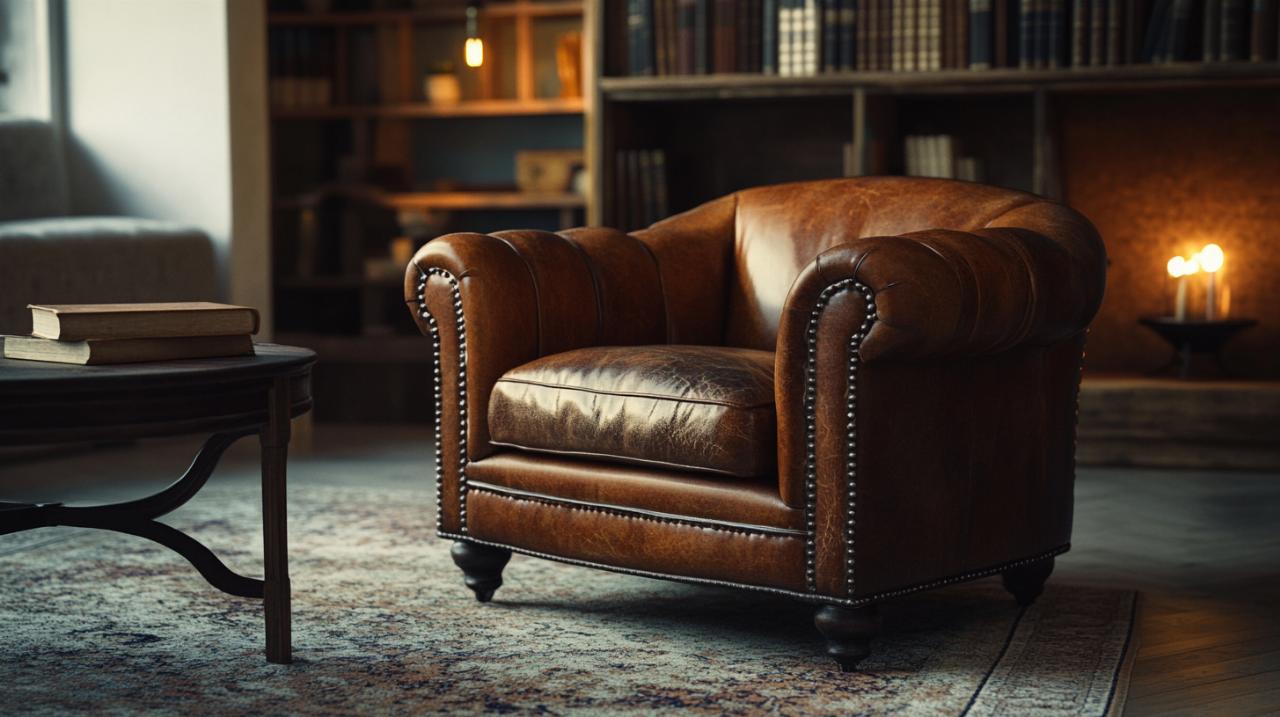
Unlike many modern materials that deteriorate with use, quality leather improves as it ages, developing a rich patina that tells the story of its life. This transformation is not a flaw but rather a feature that enhances the chair's appeal, much like a fine cheese or vintage wine that gains complexity over time. The natural ageing process means that each chair becomes truly one of a kind, bearing the subtle marks of daily use that add to rather than detract from its beauty. This quality makes vintage leather club chairs particularly appealing to those who appreciate craftsmanship and authenticity in their home furnishings.
Understanding the natural patina process
The patina that develops on leather club chairs is the result of natural oils, light exposure, and regular use gradually altering the material's surface. Sheep leather, traditionally used in French club chairs, is particularly receptive to this process, with the traditional tanning methods leaving the material supple and responsive to its environment. The imperfections visible in the leather from the outset become more pronounced and integrated into the overall appearance as time passes, creating a depth of colour and texture that cannot be artificially replicated. This evolution is particularly striking in classic colours such as Havana brown, where the leather deepens and develops highlights that catch the light in different ways depending on the angle and time of day. The process is entirely natural and requires no intervention beyond basic care, including regular dusting, occasional vacuuming, and annual conditioning to keep the leather nourished and supple. Spills should be addressed promptly with a dry cloth, whilst minor scratches can be treated with leather wax. Keeping the chair away from direct heat sources and prolonged sunlight helps ensure the patina develops evenly and beautifully.
Embracing the Distinguished Look of Well-Loved Leather
There's a certain confidence required to embrace furniture that shows its age, but the reward is a home that feels genuinely personal and lived-in rather than staged. A leather club chair with a well-developed patina carries a sense of history and authenticity that new furniture simply cannot provide, regardless of how well crafted it might be. The slight variations in colour, the subtle creases where someone has sat countless times, and the gentle wear on the arms where hands have rested all contribute to a narrative that makes the chair feel like part of the family rather than merely an object. This distinguished appearance works particularly well in settings that celebrate craftsmanship and heritage, whether that's a traditional study lined with books or a more contemporary space that uses vintage pieces as counterpoints to modern elements. The various styles available, including round back, square back, chapeau de gendarme, moustache back, cloud back, and scroll back designs, each develop their own character over time. The Taittinger model with its slender arms and square back takes on a refined elegance, whilst round back chairs with their deep seats develop a welcoming, embracing quality. For those concerned about maintenance, the process is straightforward and undemanding, requiring only basic attention to preserve the leather's condition whilst allowing the natural patina to continue developing. This balance between care and natural ageing is what gives these chairs their enduring appeal, transforming them from simple furniture into cherished possessions that can be passed down through generations.