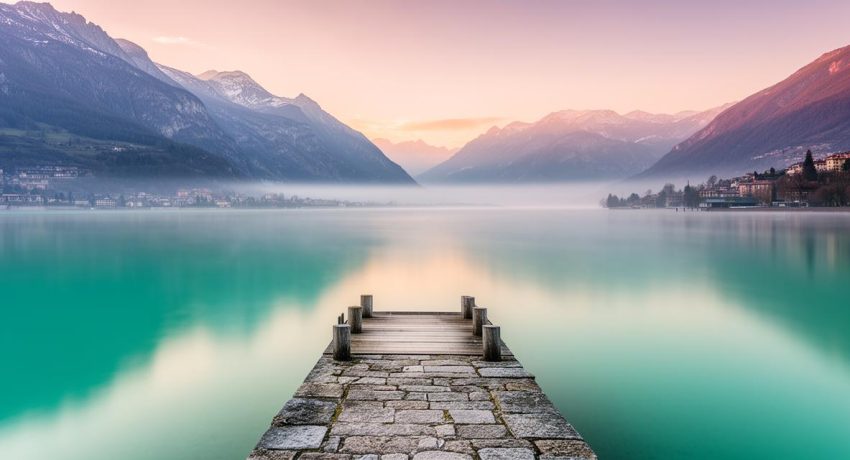

Nestled on the shores of one of France's most enchanting alpine lakes, Le Bourget du Lac stands as a testament to centuries of regional heritage and natural splendour. This picturesque commune in the Savoy region combines the allure of historical archives with the promise of sustainable travel, offering visitors a unique blend of cultural richness and environmental responsibility. As travellers increasingly seek destinations that honour both tradition and innovation, the emergence of Recharge Hotels near Chambéry presents a pioneering model of hospitality that respects the delicate balance between tourism and ecological stewardship.
- Le Bourget du Lac serves as a significant historical hub in the Savoy region, housing archives that document its long-standing cultural and monastic heritage.
- The commune's unique location near Chambéry offers a balance between peaceful lakeside serenity and easy access to the urban cultural attractions of the regional capital.
- Recharge Hotels has established a pioneering model of hospitality by integrating energy-efficient systems and sustainable building materials into their accommodations.
- The hotels emphasize ecological stewardship through practices like water conservation, waste reduction, and the use of locally sourced materials and organic produce.
- The strategic placement of these hotels allows guests convenient access to diverse landscapes, including the soaring peaks of Mont Blanc and the rolling hills of the Jura Mountains.
- By staying at Recharge Hotels, travelers actively support a model of tourism that prioritizes both environmental preservation and the cultural enrichment of the region.
Le Bourget du Lac: A Historical Gem in the Heart of Savoy
The Rich Archives and Heritage of Le Bourget du Lac
Le Bourget du Lac has long served as a repository of historical significance within the Savoy region. Its archives chronicle the evolution of lakeside settlements, monastic traditions, and the development of local industries that have shaped the cultural landscape over many centuries. The commune's historical records reveal a tapestry of influences ranging from medieval ecclesiastical communities to the evolution of alpine tourism in the modern era. These archives, carefully preserved and accessible to researchers and curious visitors alike, offer invaluable insights into the social and economic transformations that have defined this corner of the French Alps. The local commitment to maintaining these records reflects a broader dedication to heritage conservation, ensuring that future generations can appreciate the depth of the region's past. Visitors who take time to explore these historical resources often discover unexpected connections between the area's traditions and contemporary life, from ancient fishing practices on the lake to early forms of hospitality that presaged today's innovative approaches to sustainable tourism.
Exploring the Lakeside Setting and Proximity to Chambéry
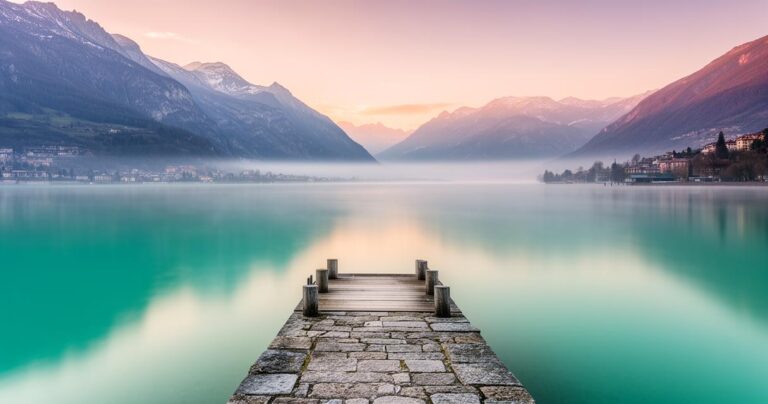
The geographical position of Le Bourget du Lac offers travellers a rare combination of tranquil waterside beauty and convenient access to urban amenities. Situated just a short distance from Chambéry, the historic capital of the Savoy region, this lakeside commune serves as an ideal base for those wishing to experience both serene natural surroundings and the cultural vibrancy of a larger city. The lake itself, the largest natural lake in France, provides a stunning backdrop for leisurely walks, water activities, and contemplative moments by the shore. The proximity to Chambéry means that visitors can easily explore the city's renowned historic centre, with its grand castle, narrow medieval streets, and impressive museums, before returning to the peaceful embrace of the lakeside. This strategic location has historically attracted travellers seeking respite from the bustle of larger urban centres, and today it continues to draw those who appreciate the harmony between accessibility and seclusion. The surrounding landscape, framed by distant peaks and verdant hillsides, reinforces the sense of being in a place where nature and human history coexist in remarkable balance.
Recharge Hotels: Sustainable Accommodation for the Modern Traveller
Environmentally responsible facilities and amenities
Recharge Hotels has established itself as a leader in environmentally responsible hospitality, offering accommodations that prioritise ecological integrity without compromising on comfort or style. The facilities incorporate energy-efficient systems, renewable resources, and sustainable building materials that minimise the environmental footprint of each property. Guests benefit from thoughtfully designed spaces that blend modern amenities with a commitment to reducing waste and conserving natural resources. The hotels feature advanced insulation and heating systems that adapt to seasonal variations, ensuring comfort throughout the year while reducing energy consumption. Water conservation measures, including low-flow fixtures and rainwater harvesting systems, demonstrate a comprehensive approach to resource management. Locally sourced furnishings and decor not only support regional artisans but also reduce the carbon emissions associated with transportation. Dining options within the hotels emphasise seasonal, organic produce from nearby farms, connecting guests with the agricultural heritage of the Savoy region and supporting sustainable food systems. This holistic approach to hospitality reflects a recognition that responsible tourism must extend beyond surface-level gestures, embedding environmental consciousness into every aspect of the guest experience. By choosing to stay at Recharge Hotels, travellers actively participate in a model of tourism that respects and preserves the natural beauty that drew them to the region in the first place.
Unique Lodging Experiences Near Mont Blanc and the Jura Mountains
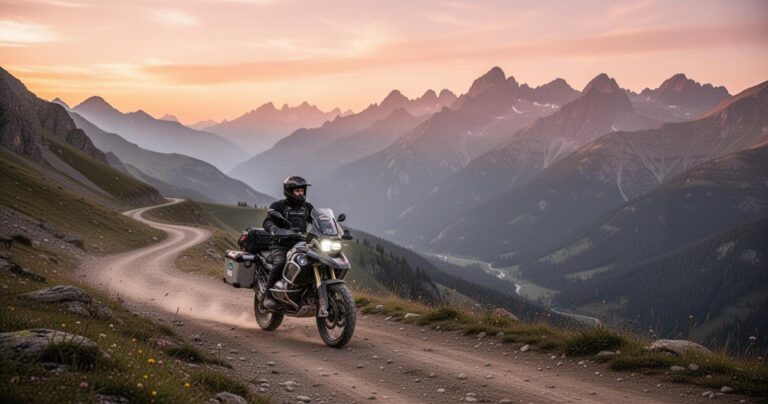
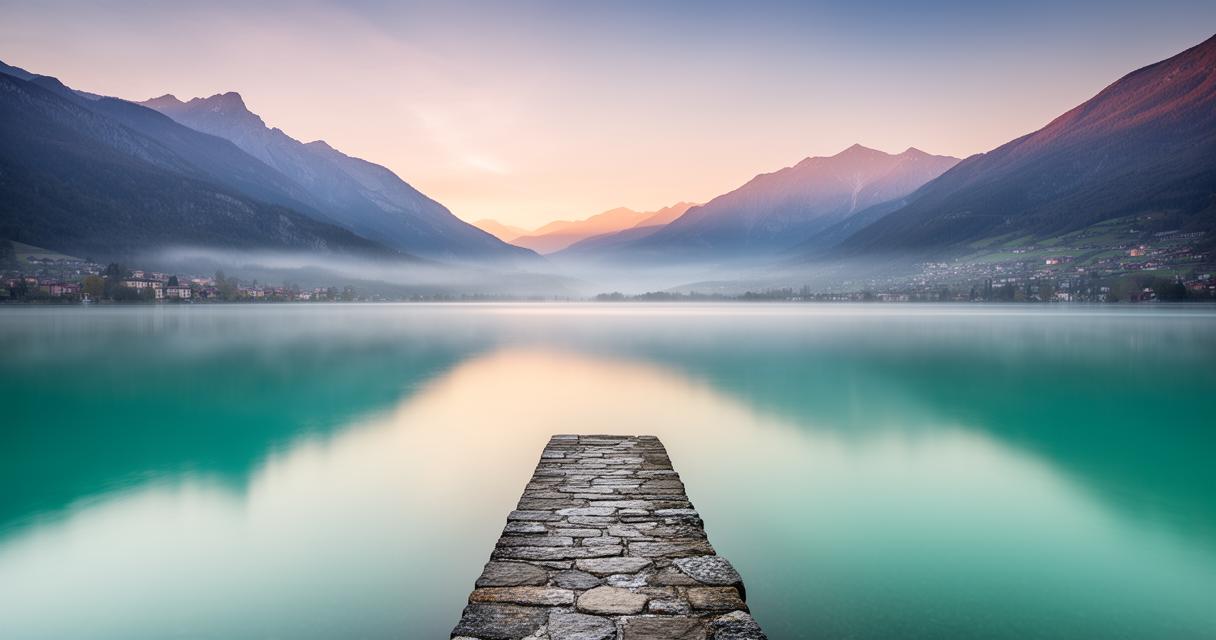
The location of Recharge Hotels near Le Bourget du Lac places guests within easy reach of some of the most spectacular alpine landscapes in Europe. The proximity to Mont Blanc, the towering icon of the French Alps, offers opportunities for day trips and extended excursions into high mountain terrain, where dramatic vistas and challenging trails await adventurous visitors. Meanwhile, the Jura Mountains to the west provide a contrasting landscape of rolling hills, dense forests, and limestone plateaus that invite exploration and contemplation. This unique positioning allows travellers to experience diverse mountain environments within a single visit, from the soaring peaks of the western Alps to the gentler contours of the Jura range. The accommodations themselves are designed to frame these landscapes, with large windows and outdoor spaces that encourage guests to connect with the surrounding environment. Whether returning from a day spent hiking alpine trails or exploring the cultural attractions of Chambéry, guests find that the hotels offer a restorative retreat where environmental values and personal comfort converge. The emphasis on sustainability extends to recreational offerings, with guided nature walks, ecological workshops, and information sessions that deepen guests' understanding of the region's ecosystems and conservation challenges. This integration of education and experience reflects a broader vision of hospitality as a means of fostering connection between people and place.
Cultural Exhibitions and Travel Highlights Around Le Bourget du Lac
Discovering local exhibitions and historical archives
Le Bourget du Lac and its surroundings offer a wealth of cultural exhibitions that illuminate the region's artistic and historical heritage. Local galleries and museums regularly host displays that range from contemporary art inspired by alpine landscapes to historical exhibitions drawing on the commune's extensive archives. These exhibitions provide context for understanding the evolution of the area, showcasing artefacts, documents, and visual materials that tell the story of lakeside life through the centuries. Temporary exhibitions often highlight specific aspects of regional culture, such as traditional crafts, monastic history, or the development of tourism in the Savoy region. The accessibility of these cultural resources makes them an integral part of the visitor experience, offering opportunities for learning and reflection that complement outdoor activities and relaxation. The relationship between the archives and contemporary exhibitions demonstrates a living connection to the past, where historical records inform and inspire present-day artistic expression. Visitors who take time to engage with these cultural offerings often find that their appreciation of the landscape is enriched by understanding the human stories that have unfolded here over many generations.
Travel Itineraries: From Chambéry to the Surrounding Alpine Wonders
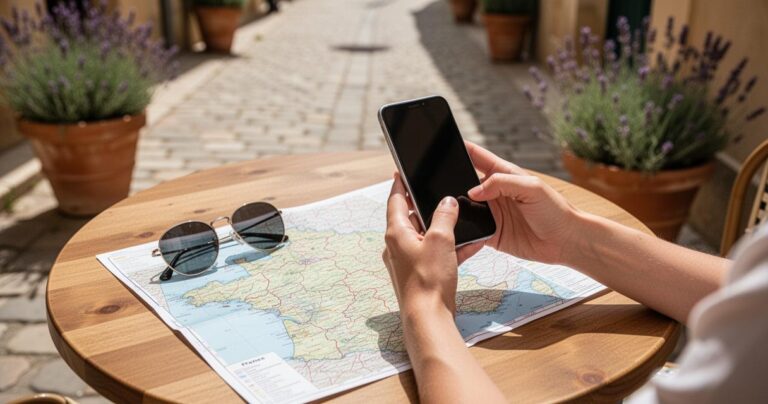
Crafting a travel itinerary that encompasses Le Bourget du Lac, Chambéry, and the surrounding alpine region offers endless possibilities for discovery and adventure. A well-planned visit might begin with exploration of Chambéry's historic centre, where the imposing castle and elegant boulevards invite leisurely strolls and historical contemplation. From the city, travellers can venture into the surrounding countryside, following scenic routes that wind through vineyards and past ancient chapels perched on hillsides. The lake itself provides a focal point for water-based activities, from sailing and kayaking to simple lakeside picnics that allow visitors to savour the tranquillity of the setting. For those drawn to higher elevations, day trips to the Mont Blanc massif offer opportunities to witness some of Europe's most dramatic mountain scenery, with cable cars and hiking trails providing access to alpine vistas that inspire awe and wonder. The Jura Mountains, meanwhile, reward exploration with their distinctive limestone formations, hidden valleys, and networks of trails that appeal to walkers of all abilities. Throughout these travels, the sustainable accommodations provided by Recharge Hotels serve as a comfortable and environmentally conscious home base, allowing visitors to immerse themselves in the region's natural and cultural riches while supporting a model of tourism that prioritises long-term ecological health. This approach to travel, which balances adventure with responsibility, reflects a growing recognition that the most meaningful journeys are those that leave both travellers and destinations enriched by the encounter.