
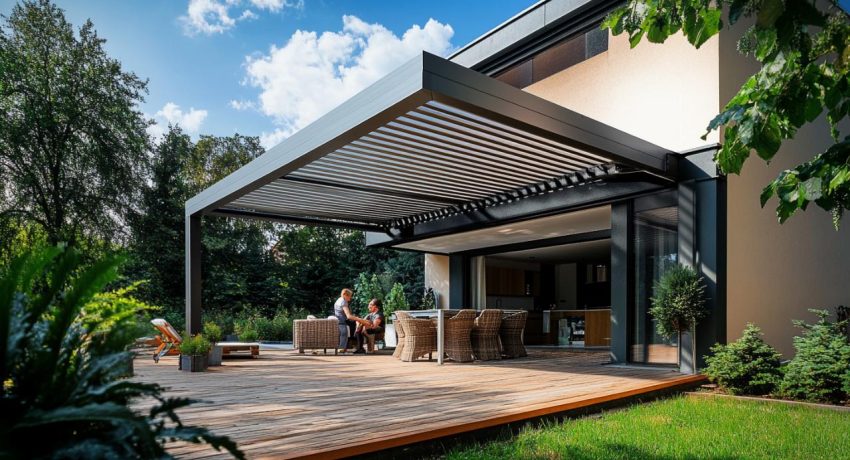

Setting up an aluminium pergola on your timber decking can transform your outdoor space into a stylish and functional retreat. This guide walks you through the essential steps and considerations to ensure your installation is secure, stable, and built to last. Whether you are planning a weekend project or seeking professional assistance, understanding the nuances of mounting a pergola on wooden surfaces will help you achieve a beautiful and enduring result.
Preparing your timber decking for pergola installation
Before you begin erecting your aluminium pergola, it is crucial to examine the current state of your decking. Timber surfaces require careful evaluation to ensure they can support the weight and structure of the pergola over time. This preparation phase sets the foundation for a successful installation and helps prevent future complications.
Assessing load-bearing capacity and structural integrity
The first step in preparing your timber decking involves checking whether the existing framework can handle the additional load of an aluminium pergola. Decking that appears sound on the surface may have underlying weaknesses, such as rotting joists or compromised beams. It is advisable to inspect the condition of the timber, paying particular attention to areas where the pergola legs will rest. If the decking feels spongy or shows signs of decay, reinforcement or repair may be necessary before proceeding.
For added assurance, consider consulting a structural professional who can assess whether your decking joists are spaced appropriately and robust enough to bear the pergola's weight. In some cases, installing concrete pads beneath the decking or directly under the pergola legs can provide the solid foundation required. These pads, typically measuring around forty centimetres in each dimension, distribute the load more evenly and reduce the risk of sinking or shifting over time. If you wish to learn more about pergola foundations and outdoor living solutions, you can visit casamaribona.es for additional insights and practical advice.
Selecting Appropriate Fixings and Brackets for Timber Surfaces
Once you have confirmed that your decking is structurally sound, the next consideration is choosing the right fixings and brackets to secure the pergola. Aluminium pergolas are designed to be lightweight yet durable, but their stability on timber surfaces depends heavily on the quality and type of fasteners used. Stainless steel or galvanised fixings are recommended to prevent rust and corrosion, especially given the exposure to moisture and humidity that outdoor decking typically endures.
The depth of the fixings is another critical factor. Most aluminium pergolas require fixings that penetrate approximately seven centimetres into the timber or supporting structure. This depth ensures a firm grip and minimises movement during adverse weather conditions. When selecting brackets, opt for those specifically designed for timber applications, as they are engineered to accommodate the natural expansion and contraction of wood. Avoid using fixings that are too short or too thin, as these can compromise the entire installation and lead to instability.
Securing your aluminium pergola to wooden decking
With your decking prepared and the appropriate fixings at hand, you are ready to secure the aluminium pergola in place. This stage requires precision and attention to detail to ensure the structure is both safe and visually appealing. Taking the time to align and anchor the pergola correctly will pay dividends in terms of longevity and performance.

Ensuring level positioning and proper alignment
Achieving a level installation is paramount when mounting a pergola on timber decking. Even minor discrepancies in height or alignment can lead to uneven stress distribution and potential structural issues down the line. Begin by marking the exact positions for each pergola leg on the decking surface. Use a spirit level to verify that the decking itself is level; if it is not, you may need to use spacers or shims to compensate for variations of up to fifty millimetres.
For larger differences in deck height, you might consider cutting down the pergola legs to match the terrain. This approach requires careful measurement and precision cutting to maintain the integrity of the aluminium frame. Once the legs are positioned, secure them with the chosen fixings, ensuring each one is tightened evenly. Double-check the alignment with a level after each leg is fixed, making adjustments as necessary. A well-aligned pergola not only looks better but also performs more reliably over its lifespan.
Weatherproofing and long-term stability considerations
Timber decking is particularly vulnerable to moisture, and the installation of a pergola introduces additional points where water can penetrate and cause damage. To protect your investment, it is essential to incorporate weatherproofing measures during the installation process. Applying a high-quality sealant around the base of each pergola leg can help prevent water ingress and reduce the risk of timber rot. Additionally, consider using washers or protective pads between the aluminium legs and the timber surface to distribute weight and minimise direct contact.
Long-term stability also depends on regular maintenance and inspection. Aluminium pergolas are known for their low maintenance requirements and can last fifteen to twenty years with proper care. However, the timber decking beneath requires periodic treatment to guard against moisture, UV damage, and general wear. Inspect the fixings and brackets annually to ensure they remain tight and free from corrosion. If you notice any signs of movement or instability, address them promptly to prevent further deterioration.
In terms of planning permission, pergolas under two and a half metres in height typically do not require approval from the council, though it is always wise to verify local regulations and any homeowners association guidelines before commencing work. Should you opt for professional installation, expect costs ranging from five hundred to seven hundred pounds if hiring a tradesperson, or slightly less if the manufacturer provides the service. Alternatively, a DIY approach can save on labour expenses, with installation time estimated at two to five hours depending on the complexity of your chosen pergola model.
By following these guidelines and paying close attention to preparation, fixings, alignment, and weatherproofing, you can successfully install an aluminium pergola on your timber decking. The result will be a stunning outdoor feature that enhances your garden and provides a comfortable space for relaxation and entertainment throughout the seasons.