
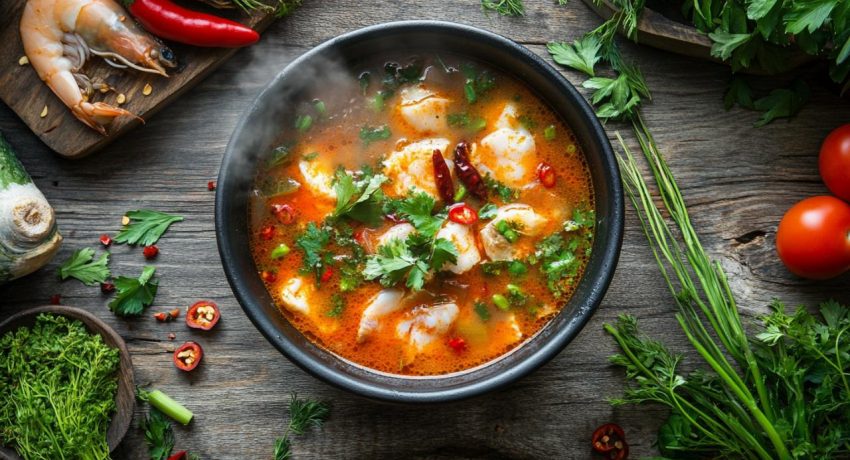

Picture yourself on a chilly London evening, craving something warming yet adventurous. The answer might just lie in a bubbling pot of pepe fish soup, a Nigerian culinary delight that brings fierce heat and robust flavour to your table. This isn't your everyday fish supper. It's a bold, aromatic experience where tender fish meets a symphony of spices and chillies, creating a dish that's both comforting and thrilling in equal measure.
Understanding pepe fish soup: a nigerian culinary treasure
At its heart, pepe soup represents far more than a simple meal. This traditional Nigerian dish has been passed down through generations, becoming an integral part of family gatherings and festive occasions. Often enjoyed during celebrations or as a remedy when someone feels under the weather, the soup embodies warmth, care, and the rich culinary heritage of West Africa. Its preparation varies from household to household, with each cook adding their personal touch, whether through adjusting the spice levels or incorporating locally available ingredients.
What makes pepe soup different from your typical fish stew
When you compare pepe soup to conventional British fish stews, the differences become immediately apparent. Traditional fish stews in the UK tend to favour milder seasonings and creamy broths, often featuring potatoes and root vegetables. Pepe soup, by contrast, thrives on intensity. The broth itself is clear yet deeply flavoured, relying on a foundation of aromatic spices rather than heavy dairy. Fresh ginger and garlic form the backbone, while fiery chillies such as Scotch bonnet peppers or habanero varieties deliver the signature heat that defines the dish. The addition of native spices like Uziza seeds and scent leaves introduces layers of complexity that you simply won't find in Western preparations. Another distinguishing element is the inclusion of ground dried crayfish or shrimp, which lends an earthy, umami-rich depth to the broth. The result is a soup that awakens your senses with every spoonful, balancing heat, fragrance, and savoury richness in a way that feels both exotic and deeply satisfying.
The Cultural Significance of Pepe in Nigerian Households
In Nigerian culture, pepe soup occupies a special place on the dining table. It's a dish that brings people together, whether at weddings, naming ceremonies, or casual weekend gatherings. Known affectionately as a hangover cure, it's also the go-to remedy after a night of celebration, believed to revive the spirit and settle the stomach. Beyond its medicinal reputation, the soup serves as a canvas for culinary expression. Families take pride in their unique recipes, adjusting spice blends and protein choices to suit personal tastes. Some prefer catfish for its firm texture and ability to hold up during simmering, while others opt for tilapia or red snapper. The flexibility of the recipe allows cooks to adapt based on what's fresh and available, making it a practical yet celebratory dish. This adaptability has helped pepe soup endure across generations, maintaining its status as a beloved staple in Nigerian kitchens worldwide.
Sourcing british-grown chillies for your authentic pepe recipe
One of the most exciting developments for home cooks in the UK is the growing availability of locally cultivated chillies that match the intensity and flavour profiles traditionally found in Nigerian cuisine. While imported Scotch bonnet peppers remain popular, British growers are increasingly producing high-quality varieties that deliver the requisite heat without compromising on taste. This shift not only supports local agriculture but also ensures you're working with fresher ingredients, which can make a noticeable difference in your finished dish.
Top uk-grown pepper varieties that deliver proper nigerian heat
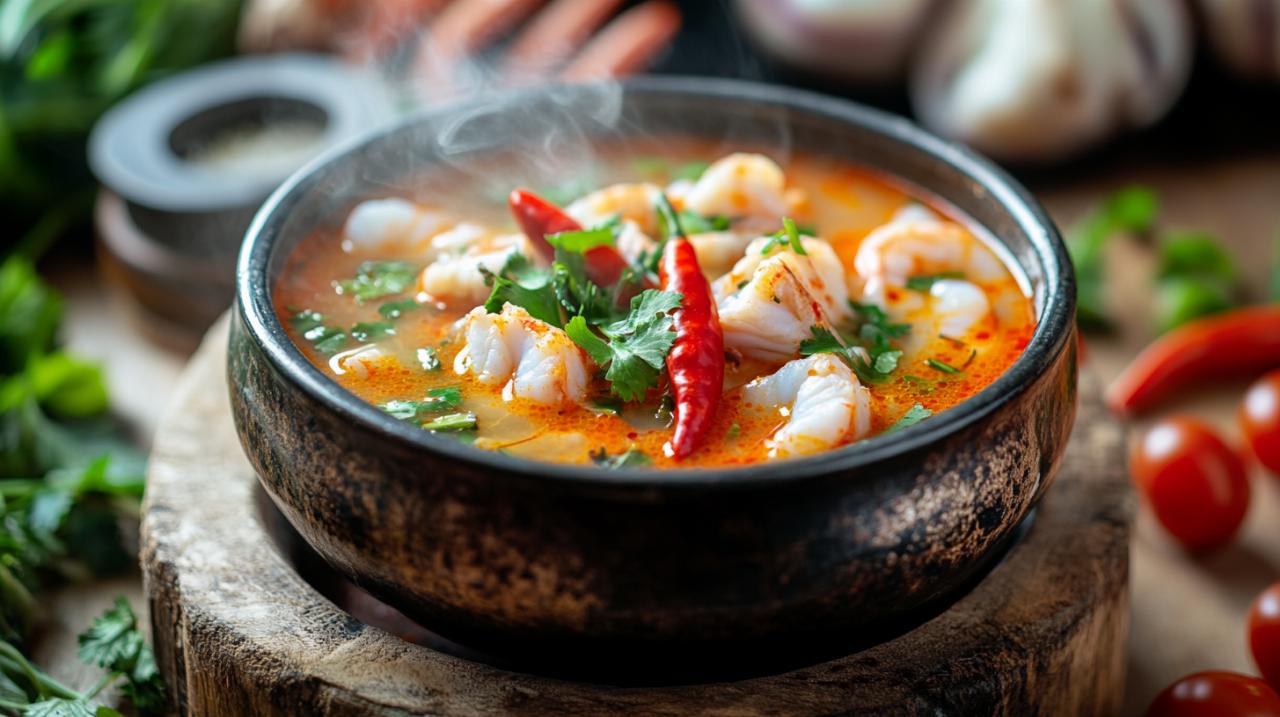
Several British-grown chilli varieties stand out for their suitability in pepe soup. Scotch bonnet peppers, now successfully cultivated in polytunnels and greenhouses across the country, remain the gold standard for authentic heat. These peppers pack a punch with a Scoville rating that rivals their Caribbean counterparts, while also offering a subtle fruity undertone that complements the savoury broth beautifully. Habanero chillies, closely related to Scotch bonnets, are another excellent choice. They provide similar heat levels and are widely grown by specialist UK farms that focus on exotic produce. For those seeking slightly less intensity, British-grown bird's eye chillies offer a sharp, clean heat that still respects the dish's fiery character. When selecting chillies, look for plump, glossy specimens without blemishes or soft spots. Freshness is key, as it ensures maximum flavour and potency. Some growers also offer pre-ground chilli powders, which can be convenient if fresh peppers are out of season, though the vibrant kick of freshly chopped chillies is hard to match.
Where to Find Quality Fresh Chillies Across London and Beyond
Tracking down quality chillies in the UK has never been easier, thanks to a thriving network of African and Caribbean grocery stores as well as mainstream markets increasingly stocking diverse produce. In London, boroughs like Peckham, Brixton, and Tottenham host numerous shops specializing in West African ingredients, where you'll find fresh Scotch bonnet peppers, Uziza seeds, and scent leaves. Niyis African Supermarket, with its location in Reading, serves as a valuable resource for those outside the capital, offering free click and collect services as well as next day delivery on orders placed before eleven in the morning. Their range includes pre-made peppersoup spice mixes, which simplify the cooking process for beginners while still delivering authentic flavour. For orders exceeding one hundred and twenty pounds, free shipping is available, making it practical to stock up on essentials. Beyond specialist retailers, many farmers' markets now feature stalls dedicated to exotic vegetables and spices, where you can speak directly with growers about the best varieties for your needs. Supermarkets such as Tesco and Sainsbury's have also expanded their world food aisles, though availability can vary by location. When shopping online, check delivery times carefully and consider ordering in bulk to minimize the need for frequent trips.
Mastering the Perfect Pepe Fish Soup: From Market to Bowl
Creating an exceptional pepe soup requires attention to detail at every stage, from selecting the freshest fish to balancing the spices for that perfect fiery finish. While the dish may seem intimidating at first, breaking it down into manageable steps reveals that it's both approachable and forgiving, allowing you to adjust flavours as you go.
Selecting the Right Fish and Essential Spices for Your Broth
The choice of fish plays a pivotal role in determining the texture and flavour of your soup. Firm white fish varieties such as tilapia, catfish, or red snapper are ideal because they hold their shape during simmering and absorb the spices beautifully. Catfish, in particular, is a favourite in Nigerian kitchens for its meaty texture and subtle sweetness, though it can be harder to find in UK fishmongers. Tilapia offers a milder flavour and is more readily available, making it an excellent substitute. For a seafood twist, medium shrimp or bay scallops can be added towards the end of cooking, introducing a delicate brininess that complements the robust broth. When preparing your fish, ensure it's scaled, gutted, and cut into generous chunks, allowing each piece to soak up the aromatic liquid. As for spices, the essential trio of ginger, garlic, and chillies forms the foundation. Fresh ginger root should be peeled and finely chopped or blended, while garlic cloves are similarly treated. Ground white pepper adds a subtle warmth, while ground dried crayfish or shrimp contributes an earthy, umami-rich note that's irreplaceable. Uziza seeds, available from African grocers, introduce a slightly bitter, peppery flavour that defines authentic pepe soup. Scent leaves, added towards the end of cooking, impart a fresh, herbaceous aroma that lifts the entire dish. If sourcing individual spices feels overwhelming, a pre-made peppersoup spice mix can streamline the process without sacrificing authenticity.
Step-by-Step Cooking Techniques for a Proper Fiery Finish
Begin by heating a large pot over medium heat and adding a splash of vegetable oil. Toss in your chopped onions and sauté until they soften and turn translucent, releasing their natural sweetness. Next, add your blended ginger, garlic, and chillies, stirring continuously to prevent sticking. This stage is crucial for building a flavour base, so allow the mixture to cook for a few minutes until it becomes fragrant. Pour in your fish stock or water, then add a bay leaf and your ground dried crayfish or shrimp. Bring the liquid to a gentle boil, then reduce the heat to a simmer. Season with ground white pepper and Uziza seeds, tasting as you go to ensure the balance of heat and savour suits your palate. Once the broth has simmered for about ten minutes, allowing the flavours to meld, gently lower your fish pieces into the pot. Be careful not to stir too vigorously, as this can cause the fish to break apart. Allow the soup to cook for another fifteen minutes, or until the fish is cooked through and flakes easily. If you're adding seafood such as shrimp or scallops, introduce them during the final five minutes of cooking to avoid overcooking. Just before serving, tear in a handful of fresh scent leaves, stirring gently to distribute their aroma throughout the broth. The total cooking time should be around thirty-five minutes from start to finish, making this a relatively quick dish despite its complex flavours. Serve your pepe soup piping hot, ideally with a side of pounded yam, fufu, or crusty bread to soak up the fiery broth. Each bowl should deliver a perfect harmony of heat, spice, and tender fish, transporting you straight to the heart of Nigerian culinary tradition.