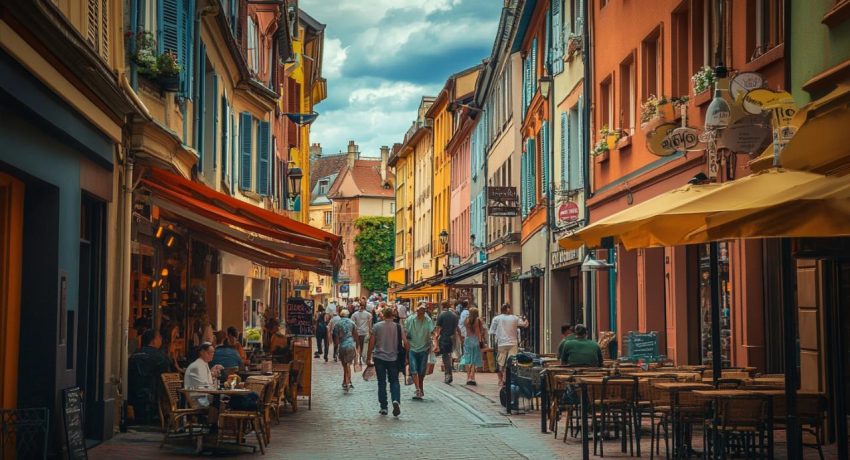

Mulhouse, a city nestled in the Alsace region of eastern France, sits at a fascinating crossroads where French, German, and Swiss influences converge. Once a struggling industrial town grappling with high poverty rates and youth unemployment, Mulhouse has undergone a remarkable transformation over the past decade. Yet, as with many urban centres experiencing rapid change, certain neighbourhoods remain subjects of debate and scrutiny. For those considering a move to this multicultural city, understanding the nuances of its more contentious districts is essential. This article explores what potential residents should know about Mulhouse's controversial areas, examining safety concerns, property markets, and the realities of daily life in these evolving communities.
Understanding mulhouse's most debated districts: a comprehensive overview
Geographic Context and Demographic Profile of Mulhouse's Contentious Areas
Mulhouse's geographic position near the borders of Switzerland and Germany has shaped its character profoundly. The city is home to 136 nationalities, creating a vibrant multicultural tapestry that defines its identity. This diversity is particularly evident in certain neighbourhoods that have become focal points of discussion among residents and policymakers alike. Bourtzwiller, for instance, represents one of the more affordable districts, attracting students and young families seeking budget-conscious accommodation. The area's demographic composition reflects the broader economic challenges that some parts of Mulhouse have faced, with a notably young population seeking opportunities in a city undergoing economic transformation. Meanwhile, the Centre-Ville offers an urban experience with proximity to restaurants and shops, though it too has sections that provoke mixed reactions from both residents and observers. The geographic spread of these areas reveals a city of contrasts, where pockets of affluence sit alongside districts still working through complex social and economic transitions.
Historical background: how these neighbourhoods earned their reputation
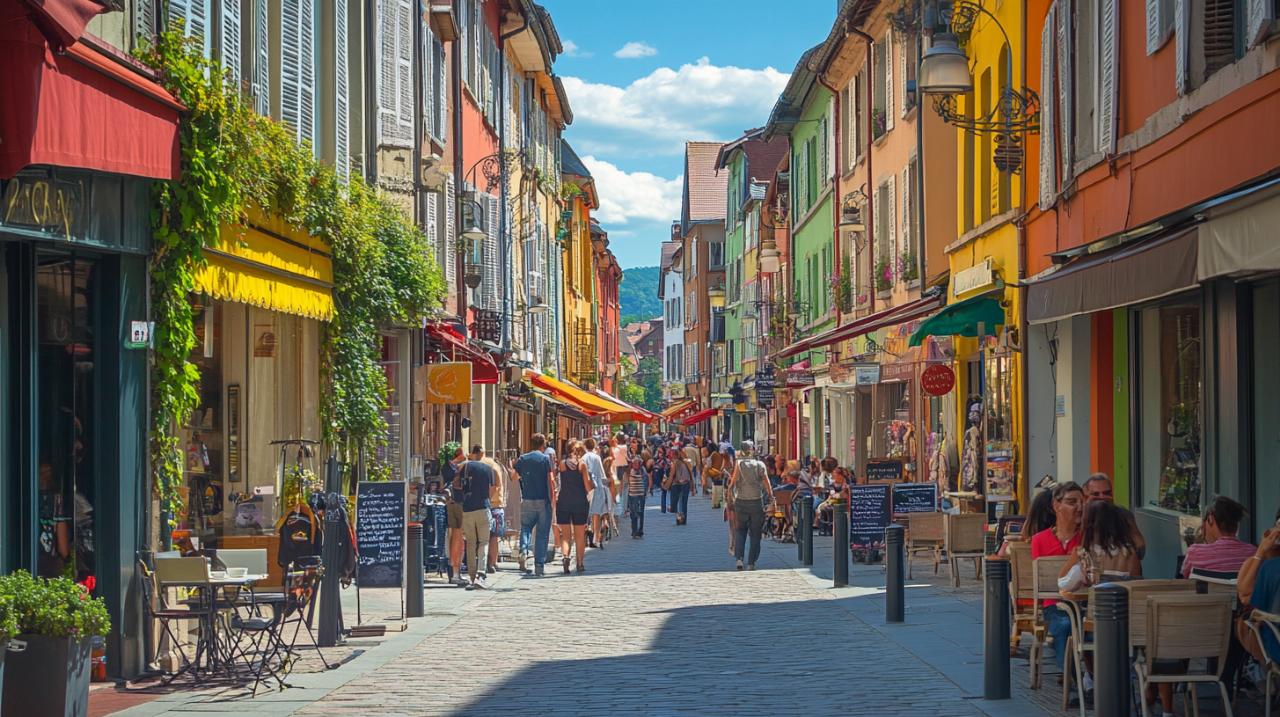
The reputations of Mulhouse's more controversial neighbourhoods did not emerge overnight. They are rooted in decades of industrial decline that left many areas struggling with empty shops and limited economic prospects. The city's industrial heritage, once a source of prosperity, became a burden when traditional manufacturing sectors contracted, leaving behind communities facing unemployment and social challenges. However, the narrative has been shifting. An ambitious investment plan totalling approximately thirty-one and a half million pounds over six years has catalysed significant change. More than 470 shops and businesses have opened in the past eight years, with three-quarters of these being independent ventures ranging from comic book stores to microbreweries and organic grocers. This regeneration has begun to reshape perceptions, though certain areas still carry the weight of their historical struggles. The transformation has been uneven, with some neighbourhoods benefiting more rapidly from urban regeneration efforts whilst others continue to grapple with the legacies of economic hardship. Understanding this historical context is crucial for anyone considering relocation, as it provides insight into both the challenges and the potential that these districts embody.
Safety Concerns and Crime Statistics: Separating Fact from Fiction
Current Crime Data and Police Presence in Mulhouse's Challenging Postcodes
Safety concerns inevitably arise when discussing controversial neighbourhoods, and Mulhouse is no exception. Whilst specific crime statistics for individual districts within Mulhouse are not widely publicised in readily accessible formats, the city's overall trajectory suggests improvements are taking place alongside ongoing challenges. The presence of a well-developed tram and bus network has improved connectivity, which can enhance safety by increasing foot traffic and surveillance in previously isolated areas. The investment in urban infrastructure, including renovation subsidies provided to over 170 buildings, has contributed to creating more inviting public spaces that discourage antisocial behaviour. Police presence has been adapted to meet the needs of areas experiencing regeneration, though residents in some districts report varying levels of satisfaction with response times and community policing initiatives. It is important for prospective residents to distinguish between outdated perceptions and current realities. Whilst certain postcodes may have earned reputations during more challenging times, the ongoing transformation means that blanket assumptions about safety may not reflect the nuanced situation on the ground today.
Resident Experiences and Community Safety Initiatives in Place
The lived experiences of residents provide perhaps the most valuable perspective on safety in Mulhouse's debated districts. Community safety initiatives have become integral to the city's regeneration strategy, with local organisations working alongside municipal authorities to foster neighbourhood cohesion. The very young population that characterises much of Mulhouse has brought energy and a desire for change to areas that might otherwise have stagnated. Independent businesses opening in previously declining areas have created natural surveillance and community hubs that enhance the sense of security. Residents in areas like Bourtzwiller, despite its reputation as an affordable district, often speak of tight-knit community networks that provide informal support systems. These community bonds can be a double-edged sword, however, as they may also reflect insularity that newcomers might find challenging to penetrate initially. The multicultural nature of many neighbourhoods means that community safety initiatives must be culturally sensitive and inclusive. Shuttle bus services and bike schemes have improved mobility, allowing residents to navigate the city more freely and reducing the isolation that can contribute to safety concerns. For those considering a move, engaging with residents' associations and attending community meetings can provide invaluable insights into the genuine safety landscape of a particular area.
Property market analysis: investment potential versus living standards
House Prices and Rental Rates: What Your Money Gets You in These Districts
The property market in Mulhouse presents a stark contrast to the astronomical prices found in Paris or Lyon, making it an attractive option for those seeking affordability. In the city centre, a one-bedroom flat typically rents for around five hundred pounds per month, whilst properties outside the central areas can be found for approximately four hundred pounds monthly. These figures represent significant savings compared to France's larger metropolitan areas, though they also reflect the economic realities of a city still in transition. Bourtzwiller, known for its affordability, appeals particularly to students and young families who prioritise budget over prestige. The district offers functional accommodation at prices that allow for financial breathing room, though this comes with trade-offs in terms of property condition and neighbourhood amenities. Rebberg, by contrast, represents the prestigious end of Mulhouse's property spectrum, offering green surroundings and properties suited to families seeking more established environments. The rental process in Mulhouse typically requires proof of income equivalent to three times the monthly rent, valid identification, and either a guarantor or alternative guarantee arrangements. Services like Cautioneo have emerged to address the guarantor challenge, particularly for newcomers who may lack established connections in the area. This requirement can be a hurdle in more affordable districts where prospective tenants may struggle to meet income thresholds, though it also reflects landlords' concerns about managing risk in areas with less stable economic profiles.
Local Amenities, Transport Links, and Quality of Life Considerations
Quality of life in Mulhouse's controversial neighbourhoods extends beyond mere property prices to encompass the amenities and infrastructure that shape daily existence. The city's tram network, complemented by bus routes and shuttle services, provides essential connectivity that links even the most challenged districts to employment centres and cultural venues. A monthly transport pass costs around fifty pounds, making mobility accessible for most residents. Utilities typically run to approximately one hundred and fifty pounds per month, a manageable cost that contributes to Mulhouse's overall affordability. The proliferation of independent businesses, including microbreweries and organic grocers, has enriched the cultural scene and created local employment opportunities, particularly in areas undergoing regeneration. Job opportunities in industry and logistics remain important to Mulhouse's economy, providing practical employment prospects for residents in all districts. Green spaces dot the cityscape, offering recreational opportunities that enhance wellbeing even in less affluent areas. The proximity to Swiss and German borders opens additional possibilities for employment and leisure, though this geographic advantage may be more readily exploited by residents in better-connected districts. Families considering Mulhouse appreciate the combination of affordable housing and decent schools, though the quality of educational facilities can vary between neighbourhoods. Young professionals find value in districts like Nouveau Bassin, which offers modern amenities near shops and services. The multicultural character of many controversial neighbourhoods can be a significant asset, providing exposure to diverse perspectives and cuisines, though it may also present integration challenges for some newcomers. Ultimately, the decision to relocate to one of Mulhouse's debated districts requires careful weighing of economic advantages against potential social and infrastructural limitations, with the understanding that the city's ongoing transformation continues to reshape the equation in favour of optimism and opportunity.