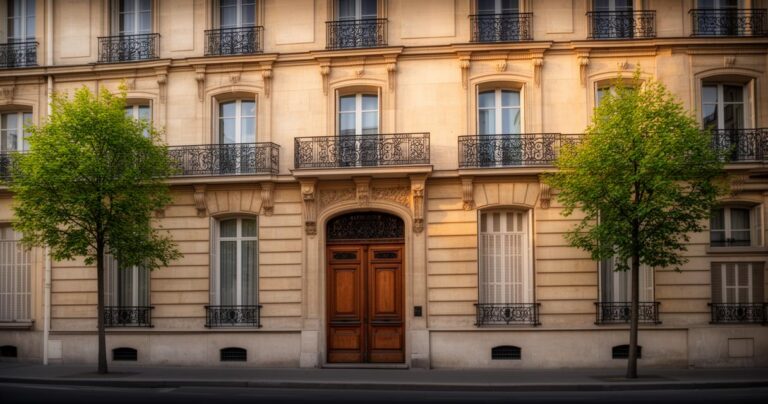
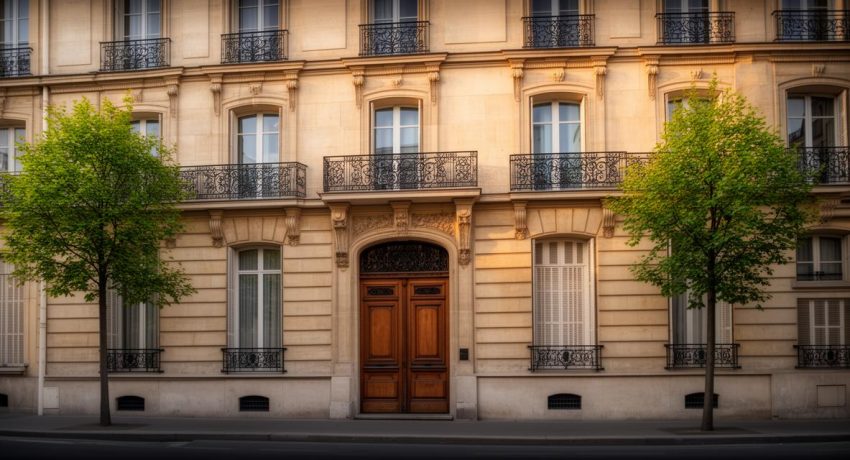

Tucked away in the northern reaches of the capital, the address of 54 rue Philippe de Girard offers a fascinating window into the layered architectural story of Paris. Sitting within the 18th arrondissement, one of the twenty spiralling districts that make up the city, this building and its surrounding streets reveal how Belle Epoque grandeur, Haussmannian order, and modern urban living have come to coexist in a single neighbourhood.
In short
- The building at 54 rue Philippe de Girard exemplifies the restrained yet elegant architectural style prevalent in the 18th arrondissement during the turn of the 20th century.
- Constructed using a combination of stone, brick, and wrought iron, the building reflects a period-typical balance between durable structural logic and aesthetic refinement.
- The 18th arrondissement neighborhood features a diverse mix of Haussmannian order, Belle Epoque influences, and modern architectural developments.
- Local ecclesiastical landmarks, such as the innovative Église Saint-Jean-de-Montmartre, contribute significantly to the area's unique architectural identity.
- Urban planning initiatives, including public spaces like Landon Square, successfully integrate greenery into the dense residential fabric of the district.
- Many historic buildings in the area have undergone sensitive renovations, blending traditional period charm with contemporary living requirements.
- The architectural variety and ongoing urban development make the neighborhood an increasingly attractive prospect for long-term real estate investment.
Architectural Heritage and Building Characteristics of 54 Rue Philippe de Girard
Historical Design Elements and Facade Features of the Building
The building at this address reflects the broader character of Parisian residential architecture that emerged in the decades either side of 1900. Facades in this part of the 18th arrondissement often display restrained yet elegant detailing, echoing the design philosophy seen in structures such as the Charles Plumet building on rue de Tocqueville, completed in 1897, which favoured Art Nouveau sensibilities with a deliberately understated approach to ornamentation. This restraint distinguishes many buildings in the quarter from the more flamboyant examples found elsewhere in the city, giving the street a quietly dignified appearance that has aged gracefully.
Structural Composition and Materials Used in Construction
Behind these facades lies a structural logic typical of turn-of-the-century Parisian construction, where stone, brick, and wrought iron were combined to create durable yet visually refined buildings. The influence of this era can also be traced in monumental ensembles such as the one at 121 rue Réaumur in the 2nd arrondissement, where architectural elements were designed with a sense of movement and dynamism. Buildings of this period were often engineered to balance practicality with aesthetic ambition, and residents today, including any prospective madame or family considering a move to the area, will find that many of these structures have been sensitively renovated to retain their period charm while accommodating contemporary comforts.
Distinctive architectural styles across the 18th arrondissement quarter
Haussmannian influences and period architecture near marx dormoy station
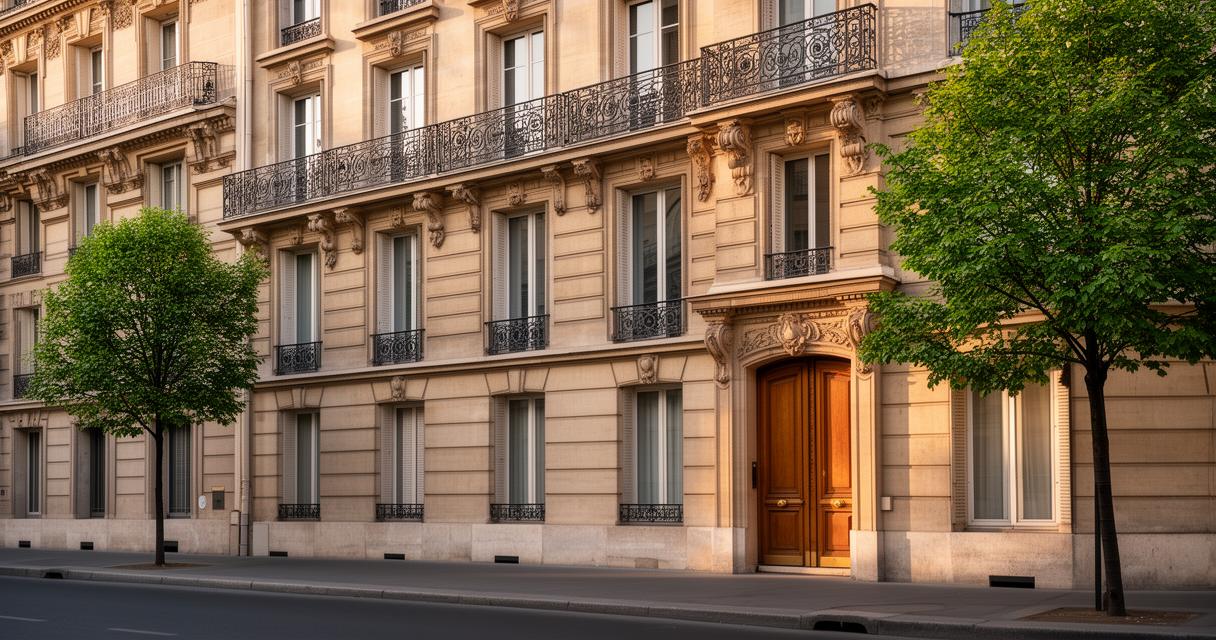
Just a short stroll from the address, the area surrounding Marx Dormoy station showcases a blend of classic Haussmannian frontages alongside buildings that pushed against the conventions of their time. The Belle Epoque period, spanning the end of the nineteenth century into the early twentieth, left a distinct imprint here, much as it did in more famous examples like the mansion building at 7 rue le Tasse in the 16th arrondissement, constructed between 1904 and 1905 and celebrated for its innovative amenities and graceful exterior. While the 18th arrondissement's version of this style tends to be more modest, the same attention to proportion and rhythm along the street line is evident, lending the quarter a coherent visual identity despite the diversity of individual buildings.
Contemporary Developments and Modern Building Designs in the Vicinity
Alongside these historic structures, newer developments have gradually filled gaps in the urban fabric, introducing cleaner lines and updated materials that contrast with, yet complement, their older neighbours. This mix of old and new has made the area increasingly attractive for those exploring real estate options, whether for rental or purchase, as buyers and tenants are drawn to the character of the streetscape alongside the practicality of modern flats. Parking in the vicinity, as in much of central Paris, can command a premium given the steady demand, a factor that professionals advising clients on property decisions in this quarter often highlight when discussing business opportunities or long-term investment.
Cultural and Civic Buildings Contributing to the Area's Architectural Identity
Religious Architecture Including Local Chapels and Places of Worship
No discussion of the 18th arrondissement's architectural character would be complete without mentioning its ecclesiastical landmarks. The Église Saint-Jean-de-Montmartre on rue des Abbesses stands as a particularly striking example, designed by Anatole de Baudot and inaugurated in 1904. Its structure was considered remarkably modern for its era, employing decorative elements and building techniques that set it apart from more traditional church designs. Smaller chapels scattered throughout the neighbourhood echo this spirit of quiet innovation, adding depth and texture to the area's collective architectural identity and offering visitors and residents alike a sense of continuity between past and present.
Public squares and urban planning features around landon square
Public space plays an equally important role in shaping the character of this part of Paris. Landon Square, with its greenery and open layout, provides a welcome pause amid the dense urban environment, and its presence reflects broader efforts in Parisian urban planning to balance built density with breathing room for residents. Streets radiating from this square reveal a patchwork of building styles, and this variety is part of what makes the quarter so appealing to those exploring the city beyond its more famous districts. For visitors keen to understand the full picture, guided tours covering museums, monuments, parks, and the quieter residential streets can offer valuable context, much as one might explore the Louvre, the Marais, or Saint-Germain-des-Prés when seeking to understand central Paris.
Ultimately, the streets surrounding 54 rue Philippe de Girard tell a story that mirrors the wider narrative of Paris itself, one where centuries of architectural experimentation, civic ambition, and everyday life converge. Whether approached from a historical perspective or a practical one focused on property and daily living, this corner of the 18th arrondissement rewards a closer look, offering a genuine sense of place that continues to draw interest from residents, businesses, and curious visitors alike.