
In the heart of urban transformation, a growing number of cities are striving to reclaim their streets and forge connections between public spaces and the people who inhabit them. Amidst this exciting evolution, one particular initiative stands out as an example of ambition matched with community-led vision. The Laurier Path represents much more than a physical corridor for pedestrians; it embodies a dynamic project that seeks to redefine how cities can nurture opportunity, inspire confidence, and leave a lasting impression on everyone who encounters it. By combining innovative design with a commitment to training and accessibility, this remarkable pedestrian way has captured the attention of urban planners, local businesses, and residents alike, prompting a vital question: could this be the most inspiring pedestrian walkway ever conceived?
The vision behind laurier path: a spectacular urban enterprise
Transforming city spaces through innovative pedestrian design
At its core, the Laurier Path project was conceived as an enterprise that would bring together the best principles of urban design, community engagement, and forward-thinking infrastructure. The vision was never limited to merely widening pavements or adding benches; rather, it aimed to cultivate a shared environment where pedestrians could experience the city in a new and invigorating way. The project team recognised early on that cities thrive when their streets become places of exchange, creativity, and mutual respect. By reimagining the pedestrian experience as something dynamic and interactive, the Laurier Path sets a precedent for how public spaces can serve as catalysts for social cohesion and economic vitality.
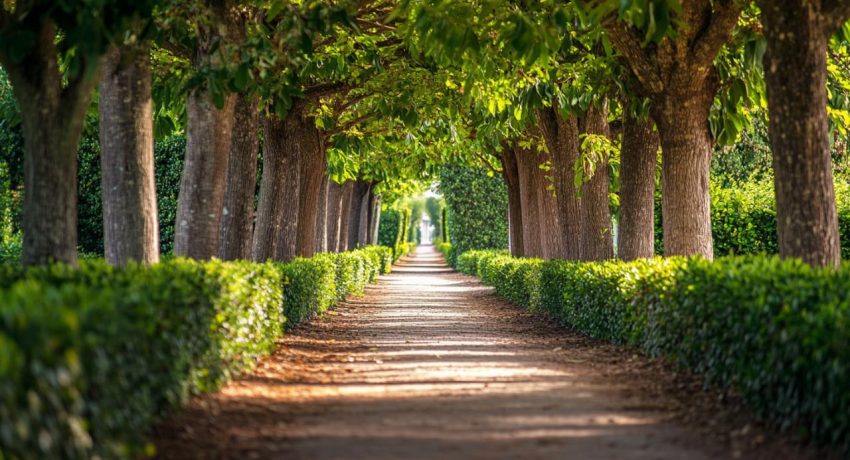
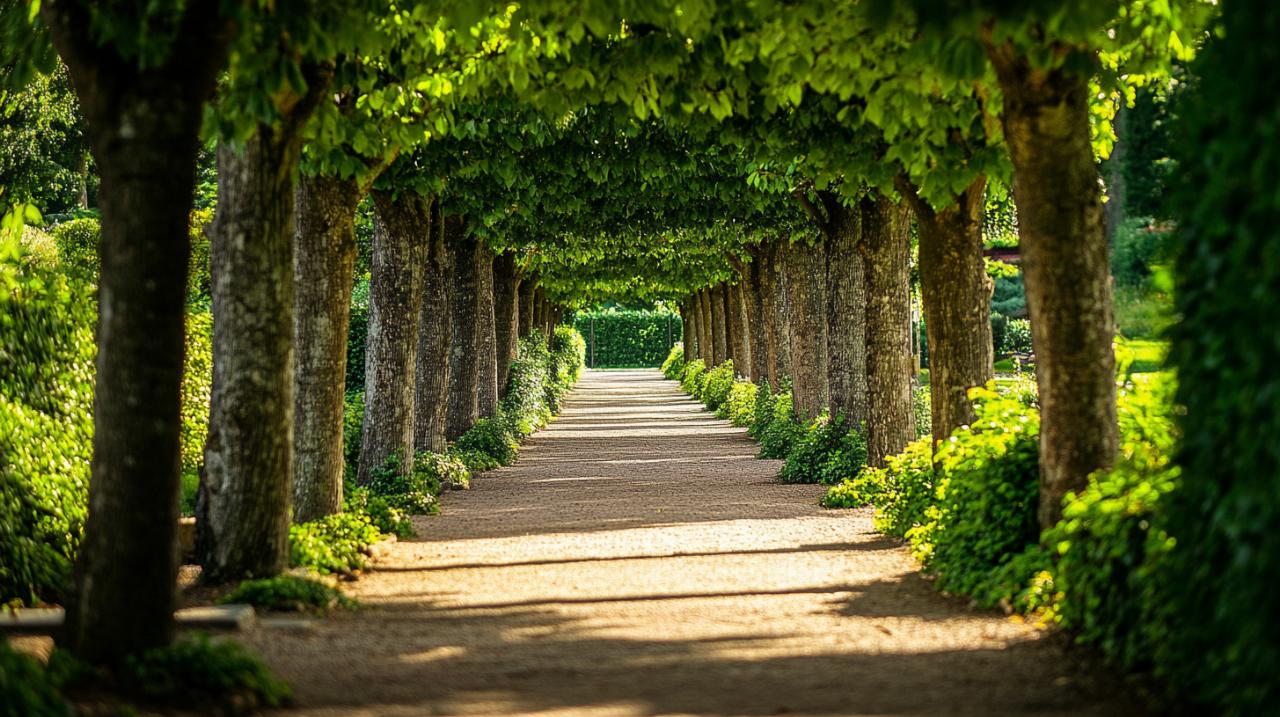
The design process itself was rooted in collaboration, drawing on insights from local residents, accessibility advocates, and urban mobility experts. This inclusive approach ensured that the path would not only meet technical standards but also resonate with the diverse needs of the community. The result is a walkway that feels both welcoming and purposeful, inviting people to linger, explore, and engage with their surroundings. The use of high-quality materials, thoughtful landscaping, and integrated lighting creates an atmosphere that is as safe as it is inviting, reinforcing the idea that pedestrian infrastructure can be both functional and beautiful.
How this dynamic project redefines opportunity for local communities
Beyond its physical attributes, the Laurier Path has become a symbol of opportunity for the local community. By prioritising pedestrian access and connectivity, the project has opened up new possibilities for businesses, cultural institutions, and public services that line the route. Small enterprises have reported increased foot traffic and heightened visibility, while larger organisations have found new ways to engage with residents through events and activations along the path. This dynamic interplay between infrastructure and enterprise demonstrates how thoughtful urban planning can generate tangible benefits that extend far beyond the immediate vicinity of the project.
Moreover, the path has sparked a broader conversation about the role of public space in fostering economic resilience and social equity. In a city where congestion and limited accessibility have long been barriers to participation, the Laurier Path offers a practical solution that prioritises people over vehicles. This shift in focus has encouraged other municipalities to reconsider their own approaches to urban mobility, prompting a wave of similar initiatives that seek to replicate the success of this spectacular undertaking. The project has thus become a blueprint for cities seeking to make a meaningful impact, proving that investing in pedestrian infrastructure is not just a matter of urban aesthetics but a strategic enterprise with far-reaching implications.
Training the next generation: building accessibility through education
Community programmes teaching inclusive design principles
One of the most remarkable aspects of the Laurier Path is its commitment to education and capacity building. Recognising that long-term success depends on the knowledge and skills of the community, the project has launched a series of training programmes aimed at equipping residents with the tools to champion accessibility and inclusive design. These programmes cover a wide range of topics, from the basics of universal design to advanced techniques for evaluating and improving public spaces. By making this knowledge accessible to everyone, the project ensures that the principles underpinning the Laurier Path will continue to shape the city long after its completion.
The training initiatives have been particularly effective in reaching young people, who bring fresh perspectives and boundless energy to the challenge of creating inclusive environments. Workshops and hands-on sessions provide participants with opportunities to learn by doing, whether that means conducting accessibility audits, designing prototype interventions, or engaging with stakeholders to gather feedback. This experiential approach not only deepens understanding but also fosters a sense of ownership and pride in the project. As a result, a new generation of advocates and practitioners is emerging, ready to champion the cause of pedestrian-friendly urban design in their own neighbourhoods and beyond.
Empowering Pedestrians and Creating Lasting Skills for the Future
The emphasis on training extends beyond the classroom and into the streets, where participants are encouraged to apply their learning in real-world settings. By involving community members in the ongoing maintenance and enhancement of the Laurier Path, the project creates opportunities for individuals to develop practical skills that are both immediately useful and highly transferable. From conducting site assessments to liaising with local authorities, participants gain experience that can open doors to careers in urban planning, community development, and public service. This investment in human capital is a testament to the project's belief that infrastructure is only as strong as the people who support it.
Furthermore, the training programmes are designed to be inclusive and adaptable, ensuring that people of all ages and backgrounds can participate. Whether someone is a student exploring career options, a retiree with a passion for civic engagement, or a professional seeking to expand their skill set, there is a place for them within the Laurier Path community. This broad-based approach not only enriches the project but also strengthens the social fabric of the city, fostering connections and collaborations that might not otherwise have formed. By empowering pedestrians and creating lasting skills for the future, the Laurier Path demonstrates that education and infrastructure are two sides of the same coin, each reinforcing and amplifying the other.
The lasting impression: why laurier path stands out amongst urban walkways
A Blueprint for Cities Seeking to Make a Meaningful Impact
The Laurier Path has earned its reputation as a model of excellence not simply because of its physical design but because of the comprehensive vision that guides it. Unlike many pedestrian projects that focus narrowly on engineering or aesthetics, this initiative has embraced a holistic approach that considers the social, economic, and environmental dimensions of urban life. This breadth of perspective has enabled the project to address complex challenges in ways that are both innovative and practical, offering lessons that other cities can adapt to their own contexts. As municipalities around the world grapple with the need to create more liveable and sustainable environments, the Laurier Path stands as a beacon of what is possible when ambition is matched with commitment and community engagement.
The project has also demonstrated the value of transparency and collaboration in public works. By involving residents at every stage of the process, from initial planning to ongoing evaluation, the Laurier Path has built a reservoir of trust and goodwill that has proven invaluable in overcoming obstacles and navigating change. This participatory approach has not only improved the quality of the outcome but has also fostered a sense of collective ownership that ensures the path will be cherished and protected for years to come. For cities seeking to make a meaningful impact, the Laurier Path offers a blueprint that emphasises the importance of listening, learning, and adapting in response to the needs and aspirations of the people who will ultimately use the space.
Spectacular results: measuring success beyond infrastructure
While the tangible achievements of the Laurier Path are impressive, the project's true success can be measured in the intangible ways it has enriched the lives of those who engage with it. Pedestrians report feeling safer and more connected to their city, while businesses have seen a boost in customer engagement and community support. The training programmes have created a cadre of skilled advocates who are now applying their knowledge in other contexts, spreading the ethos of accessibility and inclusive design far beyond the path itself. These ripple effects underscore the importance of thinking beyond immediate outcomes and considering the broader, long-term impact of urban interventions.
The Laurier Path has also become a source of pride and identity for the community, a place where people gather to celebrate, reflect, and imagine new possibilities. It has inspired public art installations, cultural events, and grassroots initiatives that animate the space and keep it vibrant and relevant. This dynamic quality ensures that the path remains a living, breathing part of the city rather than a static piece of infrastructure. By achieving such spectacular results, the project has not only met but exceeded its original ambitions, leaving a lasting impression that will continue to inspire and inform urban planning efforts for years to come. In doing so, it has set a new standard for what pedestrian walkways can and should aspire to be.